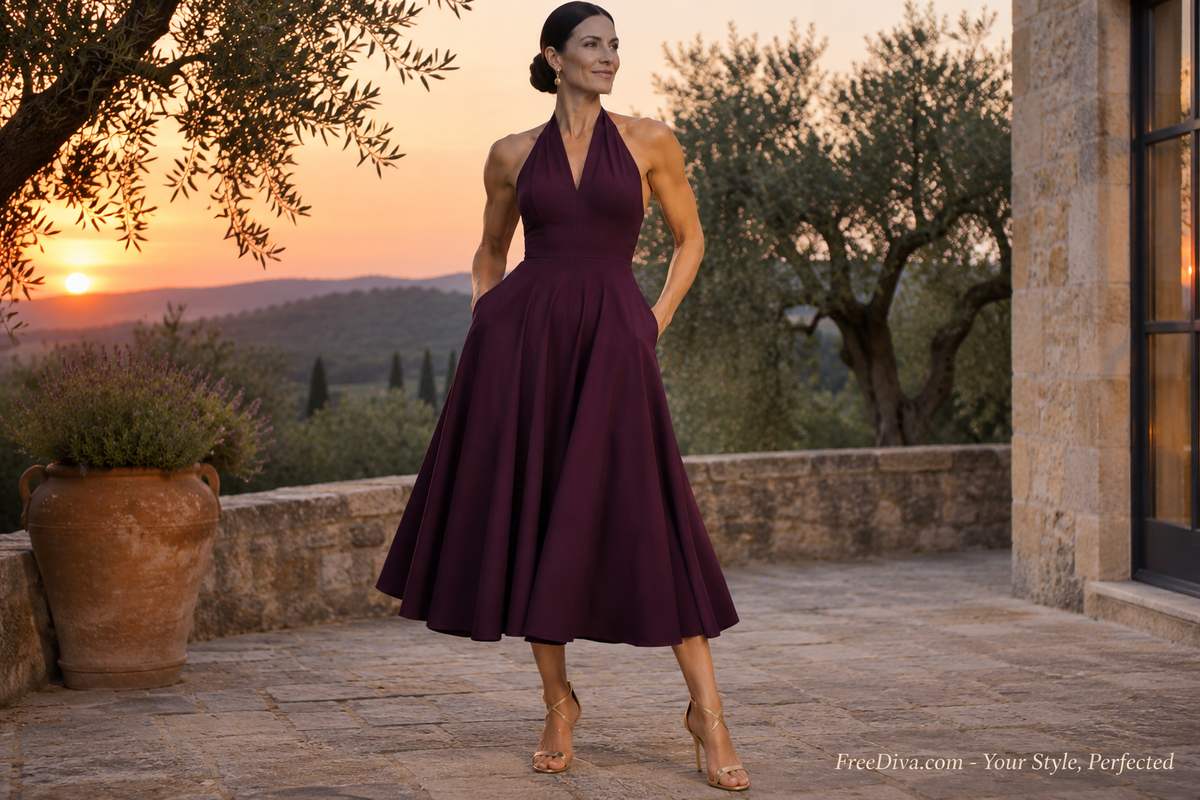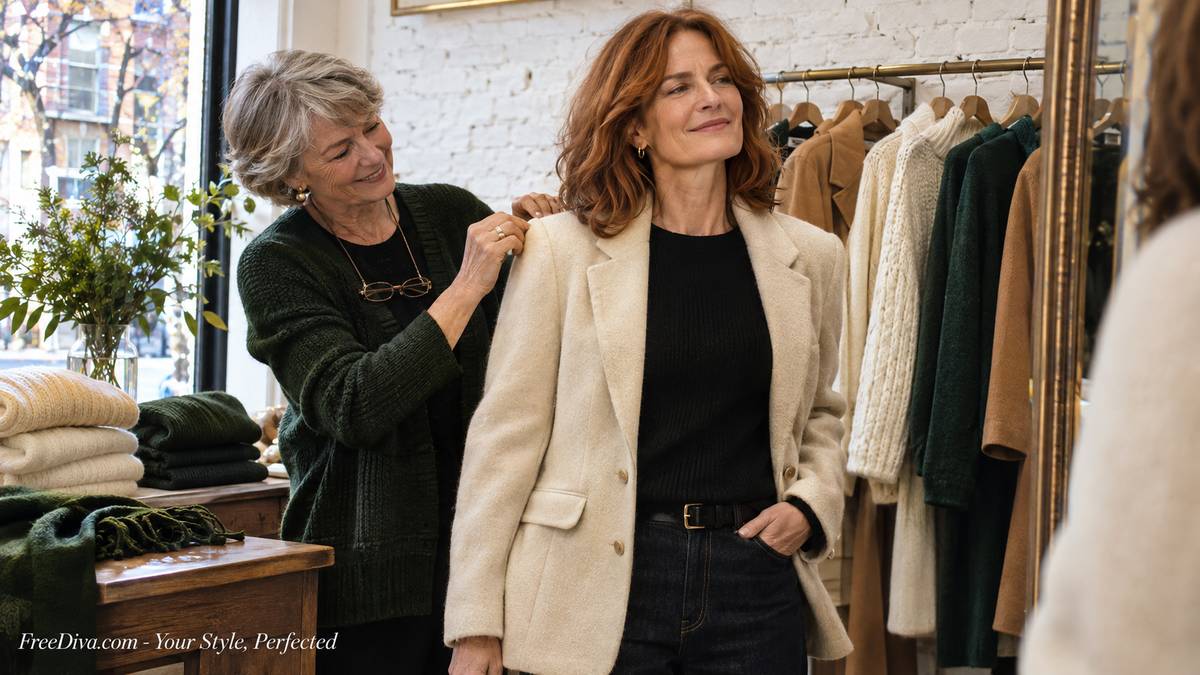
To shop a boutique well, walk in and tell the owner three things in the first two minutes: your size in the brands you already wear, what you want to spend, and what the piece is for. Then let her pull for you, try on what she brings even if it looks wrong on the hanger, and ask about alterations, returns and reorders before you pay. That is most of it. The rest is building the kind of relationship that gets you a text when your size comes in.
Small Business Saturday falls on November 28 this year, the Saturday after Thanksgiving, and it is a good day to start.
Where did Small Business Saturday come from?
It is a marketing idea that stuck. American Express founded Small Business Saturday in 2010, in the long tail of the financial crisis, and the U.S. Small Business Administration has officially cosponsored it since 2011. The SBA's role is promotion, not money: it lists the day among its initiatives, encourages local events, and states plainly that cosponsorship is not an endorsement of any product. Amex, for its part, says it created the day "to drive consumer spend at small businesses", which is admirably honest for a credit card company.
How big has it become? NBC News reported that, by American Express's count, shoppers spent $22 billion on Small Business Saturday in 2024. Take that figure as an estimate: Amex builds it from consumer surveys, not from till receipts. Still, for a lot of small shops it is one of the biggest days of the year, which matters for you in two ways. The owner will be busy, and she will be in a good mood. Plan around the first and benefit from the second.
If you are doing a whole Black Friday weekend, the outfit for a day of in-and-out shops is in what to wear Black Friday shopping: a fine turtleneck you can try jackets over, pull-on trousers and boots that come off without a zip.
Tell the owner your size, budget and occasion
Most women walk into a boutique and say "just looking." It is polite, and it wastes the single best thing the shop has, which is a person who knows every piece on the floor.
Say this instead, more or less: "I wear a 10 in J.Crew pants and a medium in most knits, but I am broad in the shoulder. I am looking for something to wear to my son's wedding rehearsal in January, and I would like to stay around $250 for the outfit." In one breath she now knows your size in a reference she can translate, your fit problem, the occasion, the season and the budget. She can skip half the shop.
A few things to be specific about:
- Your size by brand, not by number. Boutique labels run all over the place, and a European 40 is not a US 10 in every line. A brand she can compare against is more useful than a number.
- The fit problem you always have. Gaping buttons, short rise, sleeves too long, a tummy you would rather skim than hug. If pants are the hard part, know what you are looking for before you go; the rise and fabric checks for pants over a tummy work just as well in a boutique fitting room.
- The real budget. Say the number. A good owner will not be offended by $150, and she will not waste your time showing you a $600 coat. If you are flexible for the right piece, say that too.
- What you already own. "I have a black wool coat and a camel one" stops her selling you a third. Bring a photo of the outfit you are trying to finish.
Ask what is new and what reorders
Two questions that most shoppers never ask, and both tell you a lot.
"What just came in?" Small shops often take deliveries in small drops through the season rather than one big wave, and the newest pieces may still be in the back or on a rail by the register. Asking gets you first pick, especially in your size.
"What do you reorder every year?" Every good boutique has a few pieces it brings back season after season because customers keep buying them: a particular pull-on trouser, a merino crew, a shirt with a cut that works. Those are the safest buys in the shop. They have been tested on real bodies, the owner knows exactly how they wear and wash, and if you love one you can usually get it again. This is the boutique version of investment pieces worth the splurge: the thing she reorders is often the thing you will still wear in five years.
The follow-up is "and what are you not reordering?" That is where the markdowns will be in January, and an honest owner will tell you.
Let her help in the fitting room, then be honest back
Department store fitting rooms are a place you are left alone. Boutique fitting rooms are a place someone brings you the next size, a different color and a belt you would never have picked up. Let that happen.
Try on at least one thing she suggests that you would have walked past. Owners see the same piece on dozens of women; they know that the boxy cardigan you dismissed on the hanger falls beautifully on a short waist, or that the wide trouser needs a heel to work. Half the time she is wrong. The other half is why you came.
Then return the favor with plain feedback. "The color is lovely but it pulls across my back" is useful. "I don't know, maybe" is not. If she is any good, she will take the note and come back with something better rather than telling you it looks wonderful. If everything looks wonderful, every time, on every customer, you have learned that her opinion is a sales tool, and you can stop asking for it.
One rule worth keeping: you are not obliged to buy because she spent twenty minutes with you. A thank-you and "I need to think about the jacket" is fine. Coming back next month and buying is how the relationship actually works.
Ask about alterations and special orders
This is where small shops often beat big ones, so ask before you rule a piece out.
Alterations. Some boutiques have a seamstress they use, sometimes in the back room, and will hem trousers, take in a waist or shorten sleeves for a small fee or free on a full-price piece. Ask three things: whether they do it or send you to someone, what it costs, and how long it takes. A $180 trouser that fits after a $20 hem is a better buy than a $90 one that never quite does.
Special orders. If the jacket you love is not in your size or in navy, ask whether she can order it from the brand. Many boutiques can, at least while the season is still in production. Ask whether you pay upfront, whether a special order can be returned (often it cannot), and when it would arrive. In late November, a special order may not land before the holidays, so ask before you plan an outfit around it.
Return and exchange policies to ask about before paying
Assume nothing. Boutique policies vary far more than chain store ones, and many small shops do not offer cash refunds at all. Ask at the register, before the card comes out:
- Refund, exchange or store credit? Many offer exchange or credit only. That is fair for a small business, but it changes how sure you should be.
- How long? Seven days, fourteen, thirty. Holiday purchases sometimes get an extended window into January; ask if it applies to you.
- Sale and final-sale pieces. Marked-down items are often final sale. If something is final sale, try it on, sit down in it, and raise your arms in it before you buy.
- Gifts. If it is a present, ask for a gift receipt and whether the recipient can exchange it without you.
- Tags and condition. Most shops want tags on and the piece unworn. Keep the receipt with the bag.
Write the answer on the receipt if it is not printed there. And if a "sale" price looks too good, run the same quick check you would run online; how to tell a real clothing deal from a fake discount has the five-minute version, and fabric content matters as much in a boutique as anywhere.
Build a relationship that gets you a call
The best thing a boutique can give you is not on the floor. It is a phone call that says "the trousers came in, I put your size aside."
That happens when the owner knows you. Some ways to get there:
- Give her your number or email and ask to be told when a specific piece or size arrives. Be specific: "the black ponte trouser in a 10" gets you a call; "let me know about new things" gets you a newsletter.
- Come back. Three visits a year is a regular in a small shop. Buy something modest when you can, and say what you liked about the last thing.
- Tell her what worked. "I wore the green dress to the dinner and three people asked about it" is the review she cares about most, and it teaches her your taste.
- Ask what she would buy for you, and mean it. Over time she will start pulling pieces for you before you walk in.
This is also the slow, sensible way to build a wardrobe that looks like you. Someone who has watched you try on forty things will spot what suits you faster than any trend report, which is the whole idea behind finding your personal style without starting over.
What do boutiques do better than department stores?
Being fair to both, since you will use both.
Boutiques are better at:
- Edit. Someone chose every piece, usually with a particular customer in mind. If the shop's customer is you, you can see the whole floor in ten minutes and like most of it.
- Fit advice. Real fitting-room help from someone who knows the stock, not a commission chase.
- Fewer people in the same thing. Small labels and short runs mean you are less likely to meet your dress at the party.
- Flexibility. Holds, special orders, a hem done by Friday. Small shops can bend rules a chain cannot.
Department stores are better at:
- Size range. A boutique might carry each style in five sizes and one of each. If you are outside the middle, a department store or a brand's own site is often the only place to find a full run.
- Returns. Larger chains usually offer longer windows and cash refunds, which matters for gifts and for anything you are unsure about.
- Price comparison. You can try three brands of the same trouser side by side. In a boutique you mostly get what the owner chose.
- Basics. For a plain white tee, tights or a bra fitting, the big store usually wins on choice and price.
So a sensible split: buy the pieces that need judgment, the jacket, the dress for the occasion, the coat that has to be right, from the person who knows them. Buy commodity basics wherever they are cheapest. If you are working out which bigger pieces are worth buying this weekend at all, what is worth buying in fashion on Black Friday covers coats, boots and knitwear category by category, and how to buy a cashmere sweater that lasts is worth reading before you touch a boutique knit, because the gap between a good one and a pilling one is not always in the price.
A short plan for Saturday
Go early or go after 2 pm; late morning is usually the crush. Take the photo of the outfit you are trying to finish and your budget number. Wear the base layer you can try things on over. Pick two or three shops on one street rather than six across town, so you have time to actually talk in each. And put the owner's card in your wallet before you leave, whether or not you bought anything.
If you go in still unsure what you are looking for, upload a photo to the FreeDiva stylist the night before. It will read your body shape and coloring and suggest three complete looks, so you can walk in and say "I am looking for a soft blazer in a warm neutral" instead of "just looking."
Want Personalized Outfit Recommendations?
Upload a photo and let our AI stylist create complete outfits tailored to your body type, skin tone, and personal style.
Try AI Stylist